Gabriel Barnes
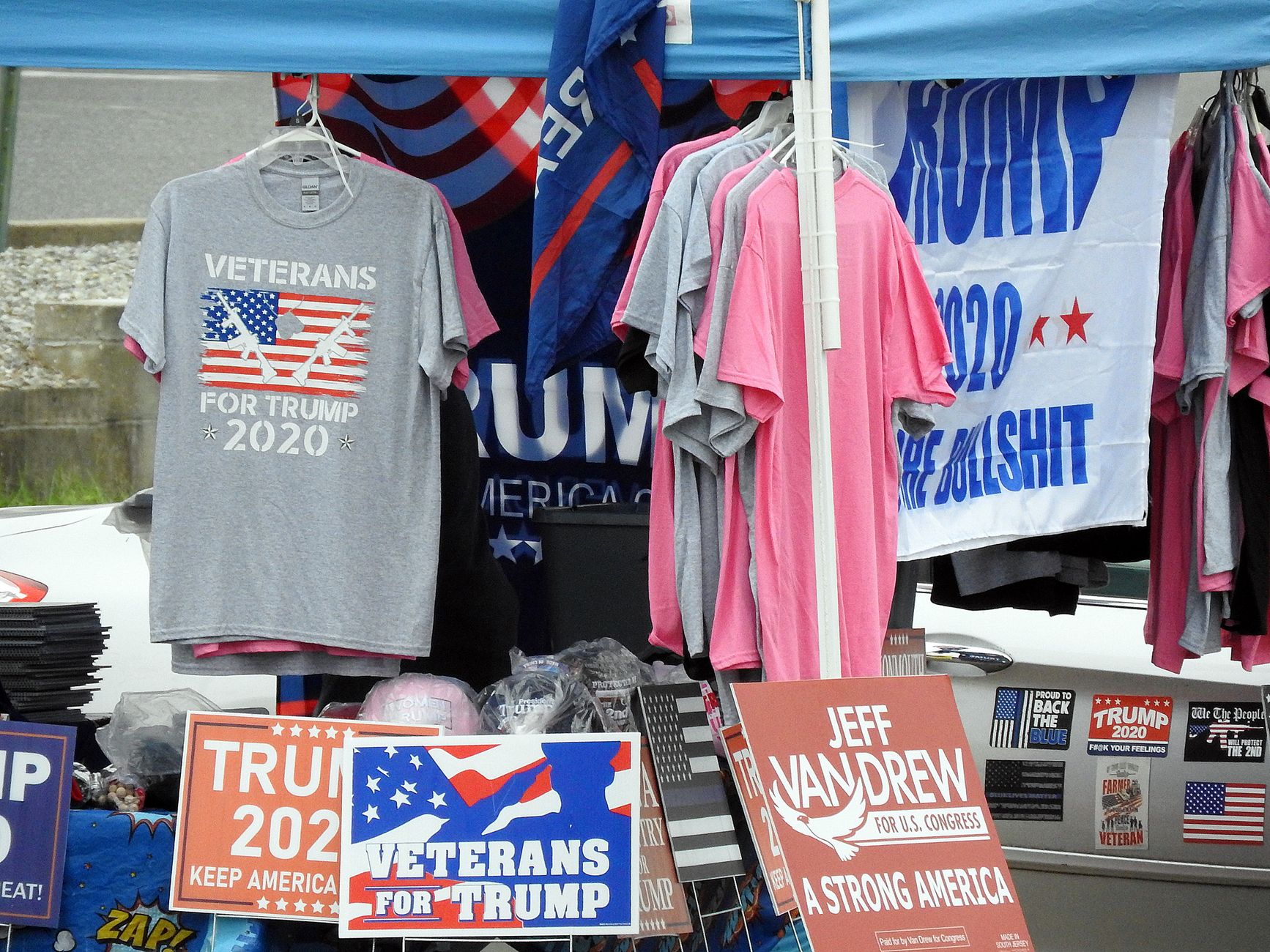
Trumps prediction markets are set to become a significant issue for the IRS. As these ties come to light, the implications for taxation and regulation are profound.
Understanding Prediction Markets
Prediction markets are platforms that allow individuals to bet on the outcomes of future events, ranging from political elections to economic forecasts. These markets operate on the principle that collective wisdom can predict results more accurately than individual opinions. Participants buy and sell shares in specific outcomes, and the price of these shares reflects the probability of the event occurring.
In recent years, Trump’s prediction markets have gained attention, particularly due to the former president’s involvement in various ventures that leverage these betting systems. This rise in popularity has raised concerns about regulatory scrutiny, especially from the IRS, as these markets often operate in a gray area of the law.
Some key features of prediction markets include:
- Transparency: Market prices can provide insight into public sentiment and expectations.
- Liquidity: Participants can quickly buy and sell shares, allowing for real-time adjustments based on new information.
- Speculation: Users can profit from accurate predictions, making it a potentially lucrative but risky endeavor.
As the intertwining of politics and prediction markets continues, the IRS may face significant challenges in regulating this evolving landscape.
The IRS’s Role in Gambling Regulations
The role of the IRS in regulating gambling activities is becoming increasingly complex, particularly with the rise of Trumps prediction markets. As these markets gain popularity, they present unique challenges for tax authorities tasked with ensuring compliance.
The IRS is responsible for enforcing tax laws related to gambling winnings, which include:
- Reporting requirements for income generated from gambling activities.
- Determining the tax implications for individuals participating in prediction markets.
- Ensuring that operators of these markets adhere to federal regulations.
As participation in prediction markets grows, the IRS may face a significant increase in reporting obligations. This could lead to a rise in audits and inquiries as they seek to clarify the tax status of income derived from such platforms.
Moreover, the legal status of these markets remains uncertain, which complicates the IRS’s ability to enforce regulations effectively. As the landscape evolves, stakeholders must navigate these challenges to avoid potential headaches with the IRS in the future.
How Trumps Are Involved
The involvement of the Trumps in prediction markets is a subject of growing interest among both political analysts and tax regulators. As these markets gain traction, their potential implications for the IRS become more pronounced.
Donald Trump and his family have reportedly invested in various ventures related to prediction markets, leveraging their public persona and business acumen. This connection raises several questions:
- Financial Interests: The Trumps stand to profit significantly from the success of these prediction platforms, which may complicate their tax obligations.
- Regulatory Scrutiny: Given the IRS’s stringent regulations on gambling and speculative investments, the Trumps’ activities could attract unwanted attention.
- Public Perception: The narrative surrounding their involvement could influence public opinion, especially in light of previous controversies involving the Trump brand.
As the landscape of prediction markets continues to evolve, so too will the challenges faced by the IRS in regulating these platforms, particularly with the Trumps’ potential influence underscoring the complexities involved.
Potential Legal Challenges Ahead
As the landscape of prediction markets continues to evolve, potential legal challenges loom large, particularly for those connected to high-profile figures like Donald Trump. The intersection of politics and gambling has long been a contentious issue, and Trump’s prediction markets could serve as a flashpoint for future litigation.
Experts suggest that the unique nature of prediction markets may invite scrutiny from regulatory bodies. The Internal Revenue Service (IRS) may find itself grappling with complex tax implications associated with these markets. Some potential challenges include:
- Tax Classification: Determining how earnings from prediction markets should be classified could lead to disputes.
- Reporting Requirements: Participants may face confusion regarding their reporting obligations, leading to potential noncompliance.
- Legal Status: The legal standing of prediction markets could be contested, affecting both operators and users.
As these issues unfold, the Trump family’s involvement may exacerbate the situation, drawing additional attention from lawmakers and regulators. The convergence of politics, gambling, and taxation promises to create a significant IRS headache in the months to come.
Public Reaction to Prediction Markets
The announcement of Trumps prediction markets has sparked a wave of public interest and concern. Many are eager to engage with these platforms, viewing them as an innovative way to speculate on political outcomes and major events. However, reactions have been mixed, with some praising the potential for profit and others warning of the regulatory implications.
Critics argue that these markets may blur the lines between legitimate betting and gambling, raising questions about the IRS’s ability to regulate such activities effectively. This sentiment is echoed by a growing number of experts, who caution that the intersection of prediction markets and taxation could lead to significant complications.
Moreover, several online forums have become hotbeds for discussion, where users express both excitement and apprehension over the financial ramifications of participating in these markets. Concerns about tax liabilities and potential audits have many individuals second-guessing their involvement.
As the public navigates this new landscape, the future of Trumps prediction markets will likely depend on how regulatory bodies respond to the evolving situation and whether they can adapt to the challenges presented by this innovative form of speculation.
Future of Gambling Legislation
The future of gambling legislation in the United States is becoming increasingly complex, particularly with the rise of Trumps prediction markets. As these markets gain traction, lawmakers are faced with the challenge of creating a regulatory framework that addresses both the popularity of prediction markets and the intricacies of existing gambling laws.
One significant concern is how states will approach taxation and regulation. With the potential for substantial revenue from these markets, some states may rush to implement new laws, while others may hesitate due to the uncertain legal landscape. This inconsistency could lead to a patchwork of regulations that complicate compliance for operators.
Additionally, there are implications for consumer protection. As more individuals engage in prediction markets, ensuring fair play and transparency becomes paramount. Legislators will need to consider how to safeguard participants from fraud and ensure that winnings are appropriately taxed, which could further exacerbate the IRS’s challenges.
- Need for a unified regulatory approach
- Impact on state revenues
- Consumer protection measures
As the situation evolves, the intersection of Trumps prediction markets and gambling legislation will remain a critical area of focus for policymakers.
Trumps prediction markets have sparked significant interest among investors, but they also raise complex tax implications. Experts warn that the rise of Trumps prediction markets could lead to the worst IRS headache ahead for participants navigating the evolving regulations.
Photo by Allen Beilschmidt sr. on Pexels